-
Grout impacts overall tile appearance – Clean grout makes tiles look brighter and fresher, while dirty grout can make even stylish tiles look grimy.
-
Grout gets dirty because it’s porous – It absorbs moisture, dirt, grease, and cleaning products, leading to mould, mildew, and stains in bathrooms, kitchens, and high-traffic areas.
-
Multiple cleaning methods are effective – Natural options (baking soda, vinegar, lemon juice, hydrogen peroxide) work for light to medium stains, while store-bought cleaners tackle deeper grime.
-
Tools and techniques save effort – Toothbrushes, grout brushes, scrubbing pads, steam cleaners, and electric scrubbers make cleaning easier and more efficient.
-
Regular maintenance is key – Bathroom grout should be cleaned every 1–2 weeks, kitchen grout weekly, and high-traffic floor grout monthly to prevent build-up.
-
Preventative measures protect grout – Sealing grout, keeping surfaces dry, using pH-neutral cleaners, and spot-cleaning stains prolong cleanliness and reduce future scrubbing.
-
Last-resort solutions exist – For stubborn stains, grout paint, regrouting, or professional cleaning can restore grout appearance when standard methods aren’t enough.
Grout might be the small lines between your tiles, but it plays a big role in how your bathroom, kitchen, or laundry looks. When grout is clean, tiles appear brighter and fresher. But when it’s stained with mould, soap scum, or dirt, it can make even the most stylish tiles look tired and grimy. The good news? Cleaning grout doesn’t have to be a dreaded chore. With the right methods, you can get it looking brand new—and even protect it against future stains.
In this guide, we’ll walk you through how to clean grout in tiles step by step, explore natural and chemical solutions, and share preventative measures to keep it spotless for longer.
Why Does Grout Get So Dirty?
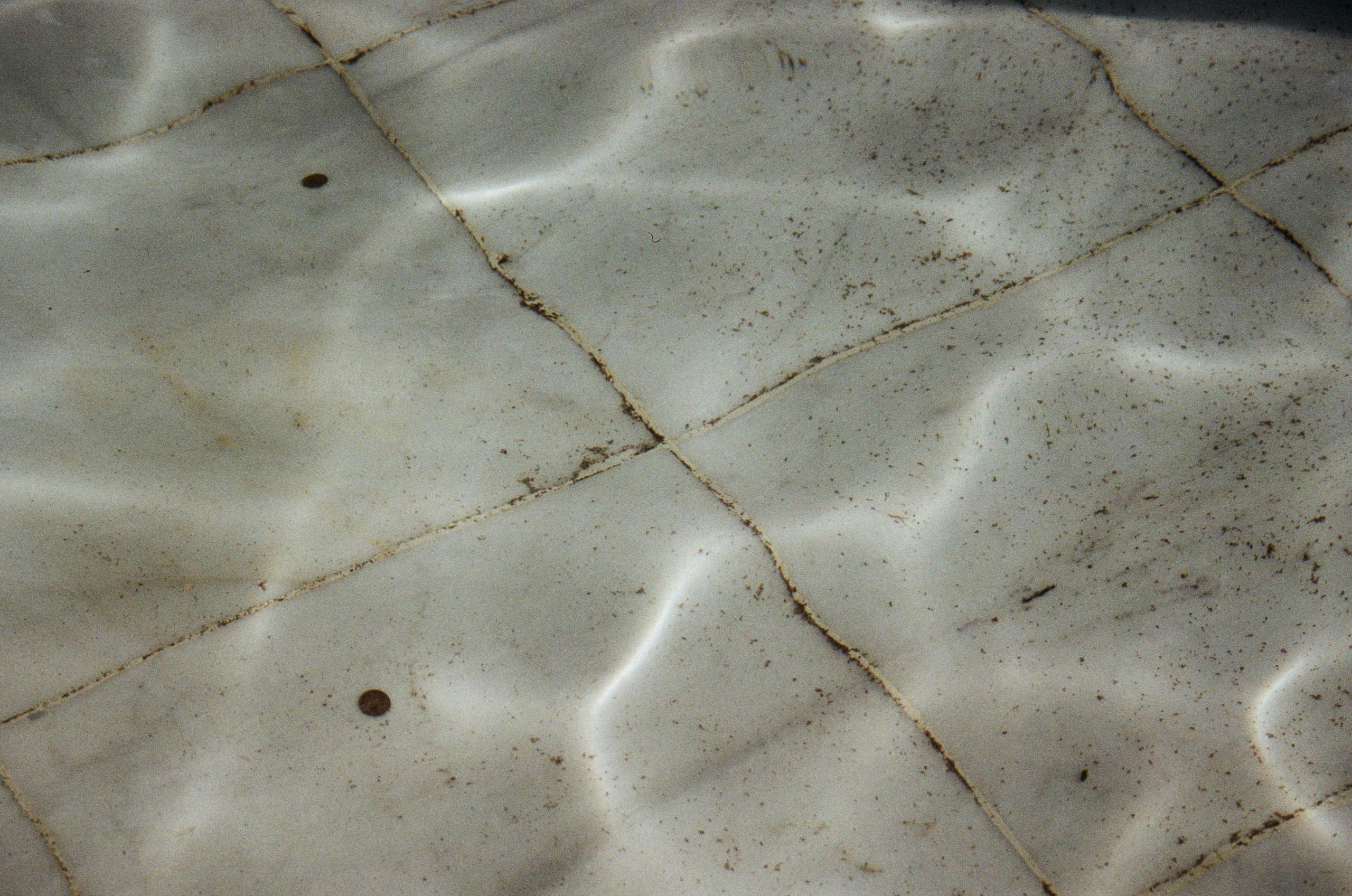
Grout is porous, meaning it absorbs moisture, dirt, and even cleaning products if not sealed properly. That’s why it often darkens over time. In bathrooms, grout collects mould and mildew from constant humidity. In kitchens, it traps grease, food particles, and spills. And in high-traffic areas like hallways or living spaces, it picks up dust and grime from shoes.
Knowing why grout gets dirty helps you choose the best way to clean it and prevent future problems.
What’s the Best Way to Clean Grout in Tiles?
There isn’t a one-size-fits-all answer. The best method depends on how stained your grout is, what products you have at home, and whether you prefer natural or chemical cleaners. Below are different approaches you can try.
How to Clean Grout in Tiles Using Natural Methods
If you’d rather avoid harsh chemicals, natural cleaners can still do the job. They’re budget-friendly, easy to make, and safe for most households. While they may require a little extra scrubbing compared to chemical cleaners, they’re effective for day-to-day maintenance and light to medium stains.
1. Baking Soda and Vinegar
This classic combination works because baking soda acts as a mild abrasive while vinegar helps dissolve grime and soap scum.
- Mix three parts baking soda with one part water to create a thick paste.
- Use a small spatula, spoon, or even your finger to apply the paste directly into grout lines.
- Fill a spray bottle with white vinegar and lightly mist the area. It will fizz as the vinegar reacts with the baking soda, breaking down stains.
- Let it sit for 5–10 minutes.
- Scrub the grout with an old toothbrush or a grout brush, working in circular motions.
- Rinse thoroughly with warm water and wipe dry with a cloth to prevent moisture sitting in the grout.
2. Lemon Juice
Lemon juice is naturally acidic and has antibacterial properties, making it great for bathrooms and kitchens. It also leaves a fresh scent.
- Squeeze fresh lemon juice directly onto stained grout lines.
- Allow it to sit for around 10 minutes so the acid can lift surface dirt and light stains.
- Scrub with a small brush, paying extra attention to mouldy spots.
- Rinse with warm water and dry the area with a towel.
Tip: Lemon works best on light stains—it may not be strong enough for deeply ingrained mould.
3. Hydrogen Peroxide (for tougher stains)
Hydrogen peroxide is stronger than lemon juice or vinegar and works well on mild mould or stubborn dirt.
- Mix two parts baking soda with one part hydrogen peroxide to form a paste.
- Apply directly to grout lines with a brush or cotton bud.
- Let it sit for 10–15 minutes to penetrate deeper stains.
- Scrub gently in small sections.
- Rinse thoroughly with warm water to remove residue.
Note: Hydrogen peroxide is safe on most tiles but avoid mixing it with vinegar or bleach as this creates harmful fumes.
These natural solutions are ideal for everyday cleaning and light to medium stains. For heavily stained or neglected grout, you may need to step up to stronger cleaners.
How to Clean Grout in Tiles with Store-Bought Cleaners
If natural methods aren’t giving you the results you want, store-bought grout cleaners can provide a deeper clean. They’re designed to tackle mould, mildew, and set-in stains more effectively.
Oxygen Bleach Cleaners
Available as powders or gels, these are effective for deep stains and safe for most tiles. Mix the powder with water according to the packaging and apply to grout lines, letting it sit for 10–15 minutes before scrubbing. Always rinse well.
Grout Pens or Whitening Products
While these don’t technically clean grout, they’re useful for refreshing the look of discoloured grout lines after cleaning. They work like paint markers, adding a fresh layer of colour to hide stains.
Bathroom Mould Removers
These sprays are specifically designed to kill mould spores and lift mildew from grout. Spray directly on affected areas, let it sit for the recommended time, scrub if needed, and rinse thoroughly.
When using chemical products:
- Wear rubber gloves to protect your skin.
- Keep windows or fans running for proper ventilation.
- Test a small, hidden area first to make sure it won’t damage your tiles or grout.
How to Clean Grout in Tiles Without Excessive Scrubbing
Scrubbing grout can be one of the most tiring cleaning jobs, especially in large tiled areas. The good news? There are ways to make it easier.
Steam Cleaning
A handheld steam cleaner is a powerful option that uses high-temperature steam to loosen dirt, soap scum, and mould without chemicals. Simply direct the steam along the grout lines and wipe away loosened grime with a cloth.
Soaking with Cleaner
Instead of scrubbing straight away, apply your chosen cleaning solution and let it sit for 10–15 minutes. This gives it time to break down stains and makes scrubbing much easier.
Electric Scrubbers
Battery-powered grout brushes or drill attachments can save your arms from the hard work. They spin quickly and provide consistent pressure, which is especially helpful in large tiled areas.
Using these methods means you can still achieve sparkling grout without hours of back-breaking scrubbing.
What Tools Work Best for Cleaning Grout?
The tool you use can make all the difference. Here are some handy options:
- Old toothbrush – Great for small areas.
- Grout brush – Designed specifically for grout lines.
- Scrubbing pads – Useful for larger tiled surfaces.
- Steam cleaner – Chemical-free and effective for stubborn stains.
How Often Should You Clean Grout in Tiles?
The frequency depends on where the tiles are.
- Bathroom grout – Clean every 1–2 weeks to stop mould growth.
- Kitchen grout – Wipe weekly to prevent grease build-up.
- High-traffic floors – Mop weekly and deep-clean grout monthly.
When thinking about how to clean bathroom tiles, it’s worth remembering that grout needs the same regular attention. Keeping on top of both helps prevent mould and stains from setting in.
How to Protect Grout Against Future Stains
Cleaning grout is only half the battle—the real trick is preventing it from getting dirty again. Here’s how to make your hard work last longer.
1. Seal Your Grout
Sealing is one of the best ways to protect grout. A grout sealer creates a barrier against moisture, mould, and dirt.
- Apply sealer after cleaning and drying grout thoroughly.
- Reseal every 6–12 months depending on the area’s use.
2. Keep Surfaces Dry
- In bathrooms, squeegee tiles after showers.
- Wipe up kitchen spills straight away.
- Use exhaust fans to reduce humidity.
3. Use the Right Cleaners
Harsh chemicals can break down grout sealers over time. Stick to pH-neutral cleaners for regular maintenance.
4. Regular Maintenance
- Spot-clean stains as soon as they appear.
- Vacuum and mop tiled floors weekly.
- Refresh grout lines with a quick scrub every month.
Quick Fixes for Stubborn Stains
Sometimes grout stains just won’t budge. If you’ve tried everything, here are some last-resort options:
- Grout paint or pens – Cover up discolouration with a fresh coat.
- Regrouting – If grout is badly stained, cracked, or crumbling, removing and replacing it might be the only solution.
- Professional cleaning – Tile and grout specialists use commercial-grade steam and cleaning solutions to restore grout.
Final Thoughts
Learning how to clean grout in tiles doesn’t just improve the look of your home—it also helps maintain hygiene and protect your tiles. Whether you prefer natural cleaners like baking soda and vinegar or stronger chemical options, the key is regular upkeep.
And don’t forget prevention. By sealing your grout, wiping spills quickly, and keeping tiles dry, you’ll save yourself from future scrubbing sessions. With the right approach, your tiles will look brighter, fresher, and cleaner for years to come.