Highlights
-
Subtropical Climate: High humidity and coastal heat across Australia create optimal conditions for airborne mould spores to flourish inside split and ducted cooling systems.
-
Health Consequences: Inhaling airborne fungal spores spread by contaminated cooling units triggers severe respiratory allergies, persistent coughing and asthma flare-ups in vulnerable occupants.
-
Condensation Triggers: Temperature differences between internal evaporator coils and humid indoor air generate excess moisture, creating a nutrient-rich environment for fungal spores to colonise rapidly.
-
Routine Interventions: Booking a professional HVAC cleaning service helps remove embedded dust, clear blocked drainage pans and eliminate hidden fungal spores deep inside internal air handlers.
-
Energy Drawbacks: Clogged coils force air conditioning units to work twice as hard to reach target temperatures, spiking monthly household power bills significantly.
-
Prevention Measures: Combining regular filter washing, active humidity management and scheduled system servicing prevents fungal re-growth and protects indoor air quality long term.
Why Does Australia’s Climate Drive AC Mould Growth?
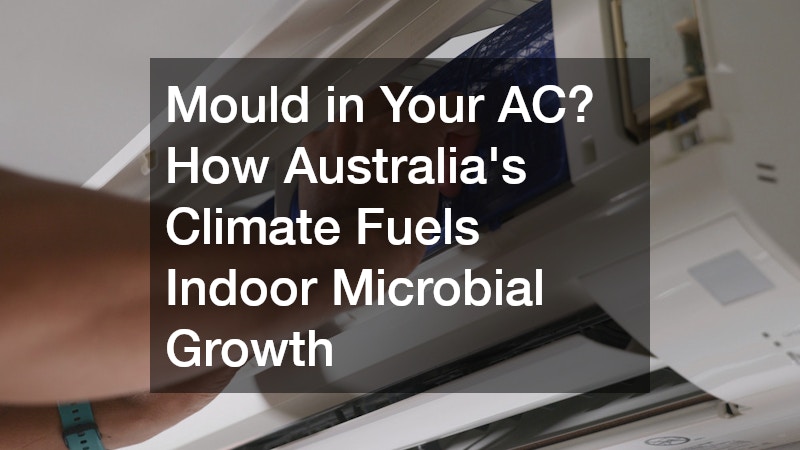
Australia’s unique weather patterns provide the exact mix of heat and moisture that fungal spores need to thrive inside residential air conditioners. During the scorching summer months, high relative humidity along the eastern seaboard and northern coastal regions creates a humid atmosphere indoors.
As hot, moisture-laden air hits the cold evaporator coils of a split or ducted unit, heavy condensation forms inside the air handler.
According to research from the CSIRO Research, unmanaged indoor condensation creates a prime breeding ground for persistent mould colonies that degrade structural materials and indoor air quality. When dust particles settle on wet internal coils and drainage trays, they act as an organic food source for airborne spores. This combination of heat, moisture and dust turns dark internal HVAC compartments into ideal fungal breeding grounds. Without regular maintenance, your cooling unit can rapidly transform from a comfort system into a central source of airborne microbial pollution.
What Are the Hidden Health Risks of AC Microbial Spores?
Operating an air conditioner infested with fungal growth poses significant health hazards to everyone living in your household. Every time the system turns on, forced air blows microscopic spores and volatile organic compounds across your living spaces, contaminating the air you breathe daily.
-
Respiratory Irritation: Inhaling airborne fungal spores triggers frequent sneezing, persistent coughing, nasal congestion and itchy eyes among sensitive individuals.
-
Asthma Complications: Fungal exposure can aggravate existing respiratory conditions, causing sudden asthma attacks and breathing difficulties in young children and elderly family members.
-
Chronic Fatigue and Headaches: Extended exposure to airborne indoor toxins often leads to unexplained fatigue, persistent headaches and general lethargy over time.
-
Allergic Reactions: Spore exposure can provoke skin rashes, hives and heightened sensitivity in people predisposed to severe seasonal allergies.
These health issues often worsen when doors and windows remain closed to keep cool air inside during heatwaves. According to health guidance from Queensland Health, persistent indoor dampness and visible mould growth directly contribute to recurring respiratory symptoms and secondary bacterial infections in vulnerable populations. Resolving these airborne health threats requires thorough internal sanitation rather than simply masking bad odours with superficial room sprays.
How Can You Spot the Warning Signs of AC Mould?
Detecting internal fungal growth early helps prevent minor microbial issues from turning into expensive structural contamination across your living spaces. The most obvious indicator is a distinct, musty odour radiating from the supply vents whenever the unit first starts blowing cool air. You might also notice visible dark specks or velvet-like patches collecting on the air louvres, plastic directional fins or filter mesh screens.
Another major red flag is poor airflow coupled with unexplained water leaks dripping down your internal walls. When microbial colonies expand inside the drain pan, they form thick sludge that clogs the condensate drain line, forcing trapped water back into the blower fan assembly. Booking a professional HVAC cleaning service ensures that these hidden drainage blockages are cleared safely before water damage stains your plasterboard walls or ruins timber floorboards.
How Does Microbial Contamination Impact System Efficiency?
Fungal growth inside an air handling unit damages more than just your indoor air; it also cripples your air conditioner’s mechanical performance and operational efficiency. When fungal mats coat the thin aluminium fins of the evaporator coil, they act as an insulating barrier that prevents efficient heat exchange between the refrigerant and room air.
-
Elevated Power Bills: Insulated coils force the compressor unit to run much longer to achieve target temperatures, driving up household electricity costs.
-
Reduced Air Delivery: Sludge buildup on the internal barrel fan reduces total airflow volume, creating uneven cooling across your home’s living areas.
-
Frequent Mechanical Breakdowns: Overworked compressors and blocked drainage trays place excessive physical strain on electrical components, leading to premature mechanical failures.
-
Shortened System Lifespan: Ignoring internal contamination forces major mechanical parts to wear out years earlier than their intended service life.
Overcoming these operational obstacles requires keeping internal heat exchangers completely free from microbial buildup throughout the year. Strict compliance guidelines under the Australian Standard AS/NZS 3666 highlight that strict microbial control and routine coil sanitation are essential to preserving system performance and indoor environmental health. Clean coils transfer thermal energy easily, keeping running costs low while protecting your equipment investment.
What Steps Keep Your AC Fresh & Mould Free?
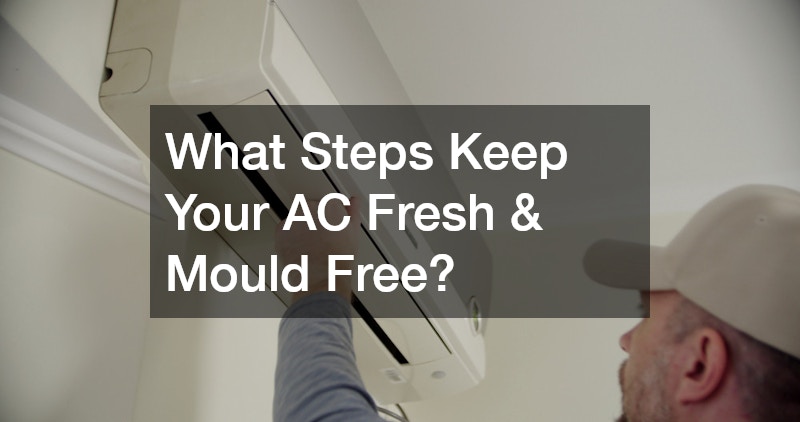
Maintaining a clean, healthy air conditioning unit requires proactive home care routines combined with periodic deep cleaning procedures. Homeowners should begin by inspecting and washing removable mesh air filters every four to six weeks using warm soapy water during peak summer usage. Keeping filters free of household dust deprives airborne fungal spores of the organic matter they need to settle and multiply inside the system.
However, washing surface filters does not reach the hidden internal barrel fan, deep coil fins or drainage trays where heavy fungal buildup settles. Investing in an experienced HVAC cleaning service ensures your split or ducted system receives specialised pressure washing using non-toxic, anti-microbial treatments. These targeted chemical washes eliminate stubborn fungal roots deep within the air handler, restoring fresh airflow and extending the life of your cooling unit.
Australia’s warm, humid climate creates the perfect conditions for indoor microbial growth, turning unmaintained air conditioners into hidden health hazards. Understanding how heat, dust and condensation interact inside cooling systems helps homeowners identify early warning signs like musty smells, reduced airflow and rising power bills. By washing surface filters regularly and scheduling professional deep cleaning services, you eliminate dangerous fungal spores at their source. Protecting your indoor air quality keeps your family breathing easy, protects your cooling equipment and maintains an efficient home environment all summer long.