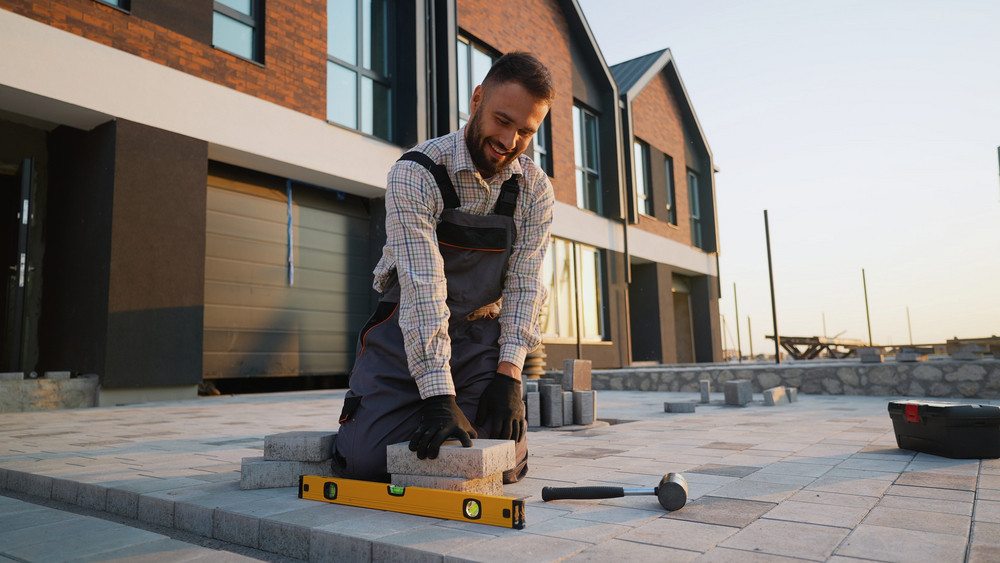
Having patio builders properly installing a paver patio is crucial to enhancing the beauty and functionality of your backyard. A well-executed installation not only adds aesthetic appeal but also increases the longevity of the patio, allowing you to enjoy outdoor activities comfortably.
1. Improper Surface Preparation
Lack of Excavation
Beginning a paver patio project without adequate excavation leads to an unstable foundation. This can result in an uneven surface and increased vulnerability to environmental pressures.
To provide a structurally sound base, it’s essential to dig below the frost line, accommodating the patio area. This ensures the paver patio’s resistance to seasonal ground shifts and prevents premature deterioration.
A properly excavated site contributes to the even settling of pavers, supporting long-term durability. Ignoring this step might lead to expensive repairs and reduced structural integrity.
Ignoring Soil Type
The soil composition in your backyard plays a significant role in the patio’s overall performance. Different soil types affect drainage, stability and the potential for shifting, impacting the lifespan of your paver installation.
Clay-rich soils, for instance, hold water longer, which can lead to excessive moisture under the patio and cause upheaval. In contrast, sandy soils provide better drainage, reducing the risk of pooling water and erosion.
Assessing soil type is an important step in preventing future settling issues. Incorporating appropriate sand or gravel can mitigate adverse effects caused by unstable soils and secure your patio’s foundation.
2. Inadequate Drainage Solutions
Failure to Plan Drainage
Poor drainage can lead to water pooling, which not only damages the patio but also creates breeding grounds for mosquitoes. Planning and integrating effective drainage solutions is crucial to maintaining the longevity and functionality of your paver patio.
Incorporating features like French drains or strategically placed swales directs water away from paver surfaces. These solutions mitigate standing water issues, preserving the integrity of your installation.
Without proper drainage design, patios become susceptible to shifting and unwanted settling caused by waterlogged substrates. Taking this precaution ensures a sustainable and aesthetically pleasing outdoor space.
Incorrect Slope
The correct slope is vital for effective water runoff, preventing erosion and structural damage. A patio installed with the right gradient directs water away, reducing potential damage to the foundation.
Ensuring a slope of about 1/4 inch per foot is typically recommended to facilitate proper drainage. This positioning helps in maintaining the surface’s evenness and prevents water from pooling, extending the patio’s lifespan.
An incorrectly sloped patio may lead to water collecting in unwanted areas, compromising both aesthetics and usability. Paying attention to these details can enhance the overall resilience of your outdoor space.
3. Poor Material Selection
Using Inappropriate Paver Types
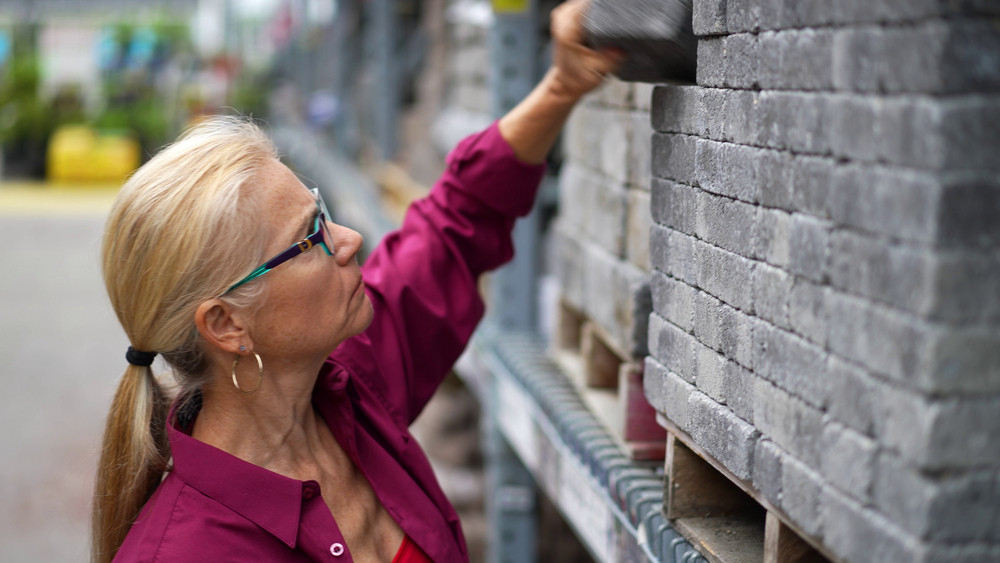
Choosing the correct paver type is essential for a successful patio installation, with each type suited to different environments and uses. For example, porous pavers absorb water, making them less ideal for rainy climates where water retention could promote weed growth.
For areas experiencing freeze-thaw cycles, opt for dense, non-porous materials that withstand harsh weather changes. This choice ensures durability and diminishes the risk of cracking and other damage.
Catering the paver selection to your specific climate conditions boosts performance and longevity, resulting in a long-lasting and beautiful installation. Careful consideration in this phase avoids future drains on resources, both financially and time-wise.
Cheap Materials
Using low-quality materials compromises your patio’s longevity and aesthetic appeal. Cheap options may initially seem cost-effective but lead to increased maintenance costs and premature failure.
Opting for high-grade pavers provides better resistance to wear and environmental factors, enhancing the patio’s durability. Quality materials also require less frequent repair and maintenance, resulting in long-term savings.
Investing in superior materials ensures an enduring surface, adding lasting value to your backyard. This choice significantly impacts the overall satisfaction and functionality of the outdoor living space.
4. Neglecting Edge Restraints
Failure to Install Properly
Edge restraints play a crucial role in maintaining the structural integrity of a paver patio. Neglecting proper installation allows pavers to shift and separate over time, leading to unsightly gaps and increased tripping hazards.
Installing metal or plastic restraints correctly ensures the containment of pavers, fostering a cohesive and stable surface. This small addition can prevent larger structural problems down the road.
An effectively installed edge plays an essential part in upholding the patio’s visual appeal and functionality. It’s a simple yet vital component that ensures long-term satisfaction with your outdoor space.
Overlooking Regular Maintenance
Consistency in maintenance, such as periodic inspections and minor repairs, prevents loosening edge restraints and maintains overall integrity. Addressing maintenance needs early reduces the likelihood of costly reinstallation work.
Removing debris and replacing worn pavers contribute to a stable, even surface. This regular upkeep is pivotal in safeguarding the patio’s longevity and preventing avoidable problems.
Incorporating a maintenance schedule extends the life and visual appeal of your patio. Such proactive measures are instrumental in enjoying a hassle-free and attractive outdoor environment for years to come.
Avoiding common paver patio mistakes is essential to achieving a beautiful and long-lasting outdoor space. Proper planning, material selection and maintenance routines ensure your patio remains a valuable and enjoyable asset in your backyard.
Paying attention to key aspects such as surface preparation, drainage and material quality is vital in preserving your investment. These considerations contribute to a functional, durable and aesthetically pleasing patio.